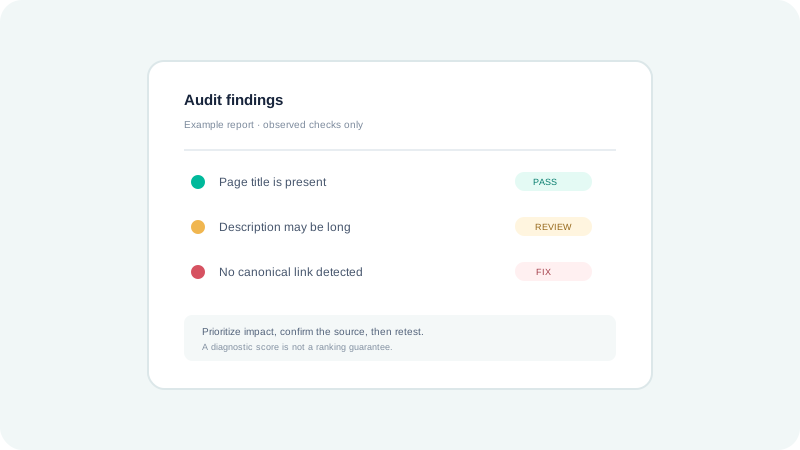
An SEO audit report is a decision aid, not a verdict on a website’s future performance. It summarizes observations collected from particular pages, at a particular time, using a defined set of checks. A useful report distinguishes confirmed errors from warnings and suggestions, explains scope, and helps a team choose the next action. Before acting on any result, verify that it applies to the affected page and reflects the current version.
Read the scope before the score
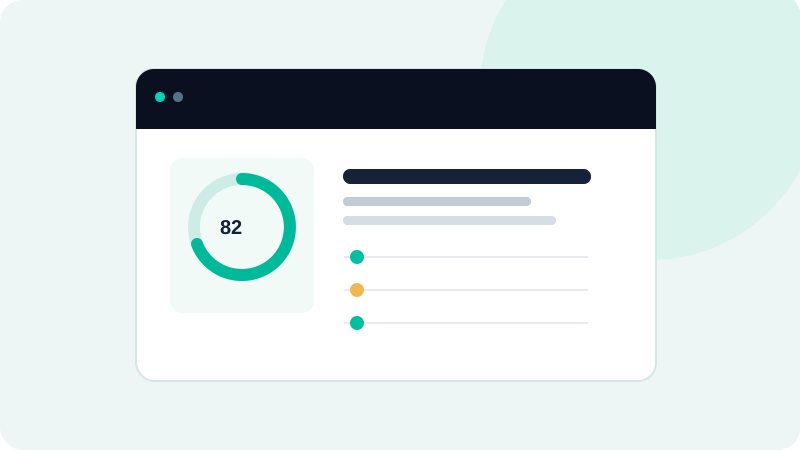
Check which URL was tested, whether redirects were followed, when the result was collected, and which checks were available. A homepage score says nothing definitive about thousands of product pages or a different user journey. Scores also depend on how checks are weighted, so two tools can give different numbers without either measuring the same thing. Use the score to orient attention, then read the evidence behind individual findings.
Separate errors from warnings
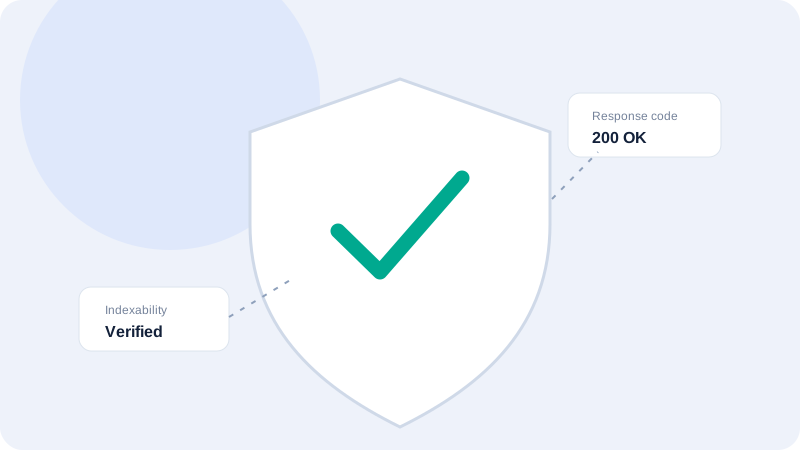
Errors generally indicate a missing or broken signal that the tool can observe, while warnings may describe a possible improvement or context-sensitive condition. Confirm the actual HTTP response, source markup, page content, and current indexing intent. A missing optional tag may be a warning rather than a defect. A severe status or accidental noindex may deserve immediate review. Prioritize risk and user impact, not color alone.
Verify recommendations against the page goal
A recommendation should help the specific page serve readers and function correctly. A longer title is not automatically better, and a word-count threshold does not prove usefulness. Review whether a canonical target is truly equivalent, whether a heading reflects visible content, and whether a redirect preserves user intent. Consider accessibility, performance, privacy, and business requirements alongside search signals before making a change.
Turn findings into owned actions
For each accepted item, record the evidence, affected URL pattern, owner, expected outcome, and verification method. Group issues caused by the same template or configuration so teams can fix the source rather than edit pages one by one. Set a priority based on impact, likelihood, and effort. Keep a reasoned decision when a warning is intentionally not changed; this prevents it from being repeatedly treated as a new incident.
Compare reports responsibly
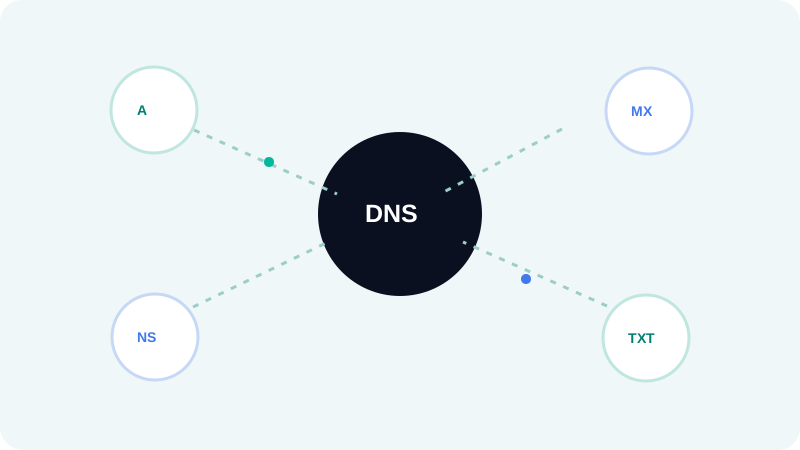
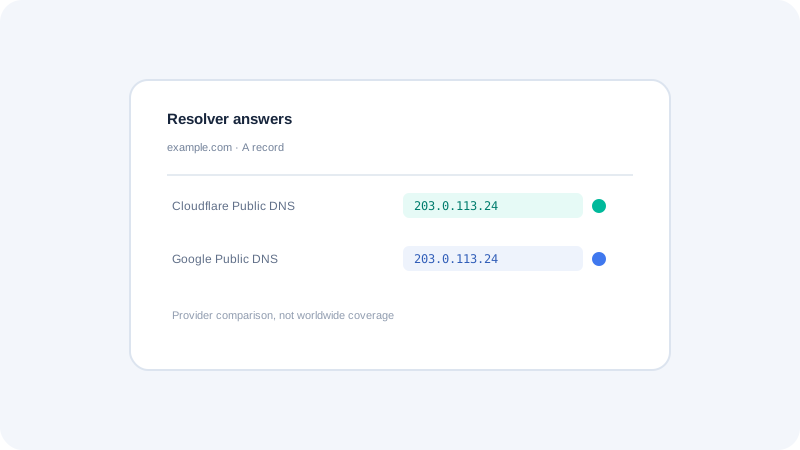
Rerun checks after changes with the same tool, sample, and conditions where possible. Note external changes such as DNS updates, deployments, or content revisions. Do not claim that a score change caused traffic movement without independent performance data and a suitable comparison. Save reports only when the account and database are configured, protect them as potentially sensitive work records, and apply a retention policy.
Quick checklist
- Confirm tested URL, scope, and timestamp before interpreting a report.
- Read evidence for each check instead of acting on a score alone.
- Prioritize errors by impact and affected page count.
- Assign owners and verification criteria to accepted fixes.
- Keep diagnostic changes separate from claims about ranking outcomes.
What to do next
The strongest report is one a team can verify and act on. Use it to organize evidence and follow-up, not to replace expert judgment or promise search results. Continue with the related Seoptiz tool and compare its stated limitations with your needs.