A useful website SEO audit is not a hunt for a perfect score. It is a repeatable way to understand whether a page can be discovered, interpreted, and used. Start with a representative URL, note the date and context, and separate observations from assumptions. A single homepage check cannot describe every template, location, device, or query. The best result is a short list of evidence-backed actions that a site owner can verify.
Start with the page’s purpose
Write down the audience and task the page is meant to serve before reviewing tags. Search intent is not a label to guess from a keyword; it is the problem a visitor is trying to solve. Compare the page’s promise, its visible content, and the action it offers. If these disagree, changing metadata alone will not repair the experience. Keep the intended audience, primary topic, and useful next step visible while assessing the page.
Review crawl and indexing signals
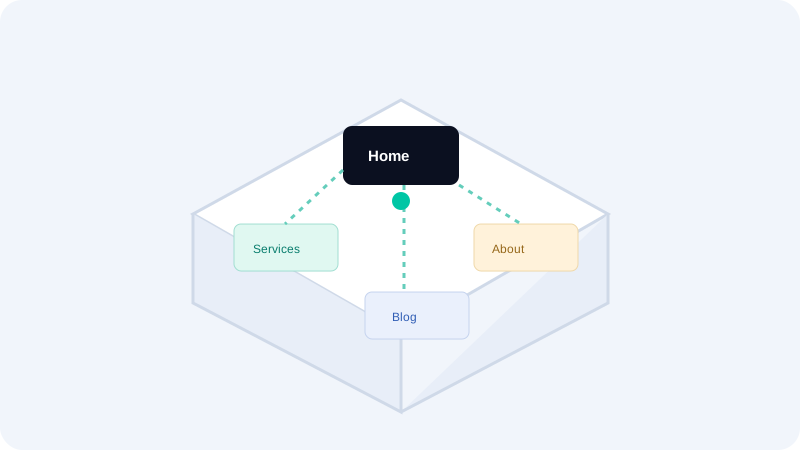
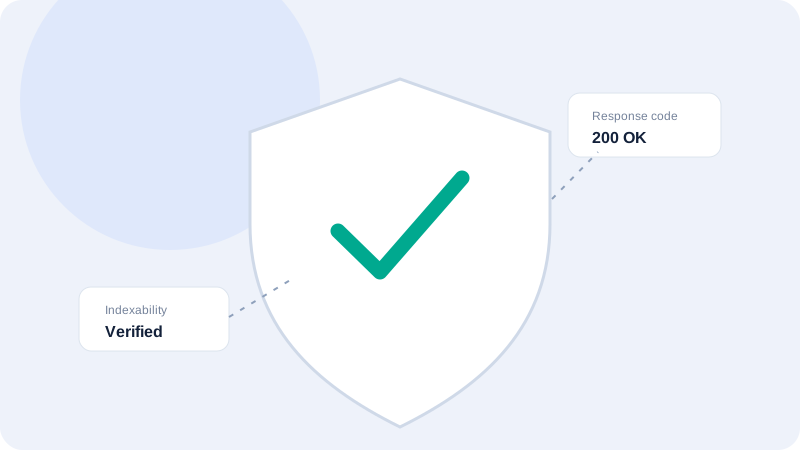
Check the HTTP response, HTTPS behavior, robots directives, canonical URL, and whether the page links can be reached from other relevant pages. A page may look correct in a browser yet be excluded by a noindex directive or blocked by site rules. A canonical is a hint about preferred versions, not a command that overrides every signal. Compare the requested URL and final response, and record redirects rather than treating them as invisible.
Inspect the content and page structure
Read the rendered text as a visitor would. Confirm that the title accurately describes the page, the main heading is clear, and subheadings organize the information rather than decorate it. Check images for useful alternative text and links for meaningful destinations. Look for missing answers, unsupported claims, and duplicated sections. Word count is only a rough indicator: a concise page can be complete, while a long page can still fail to solve the reader’s problem.
Prioritize findings by impact
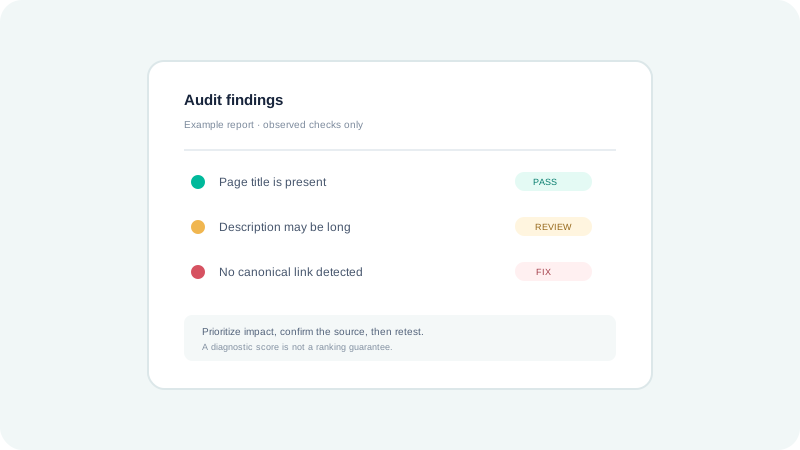
Group issues into access blockers, misleading or missing page information, usability concerns, and refinements. A broken response or accidental noindex deserves attention before a minor title-length suggestion. For each finding, save the source, the affected URL, its observed behavior, and the recommended correction. Assign an owner and a follow-up date. Avoid turning every warning into an emergency; explain why it matters and what evidence would confirm that the change helped.
Retest after changes
After a fix is published, rerun the same check on the same URL and compare the old and new evidence. Validate templates on more than one representative page because a shared layout may amplify both the original issue and the correction. Keep a change log of URL, date, finding, action, and outcome. Search performance can fluctuate for many reasons, so do not attribute ranking movement to one isolated edit without broader evidence.
Quick checklist
- Use a public, canonical page URL and record the final redirected URL.
- Review source data and rendered behavior when a diagnostic result seems surprising.
- Fix blockers first, then improve clarity and usability.
- Test representative page templates, not just the homepage.
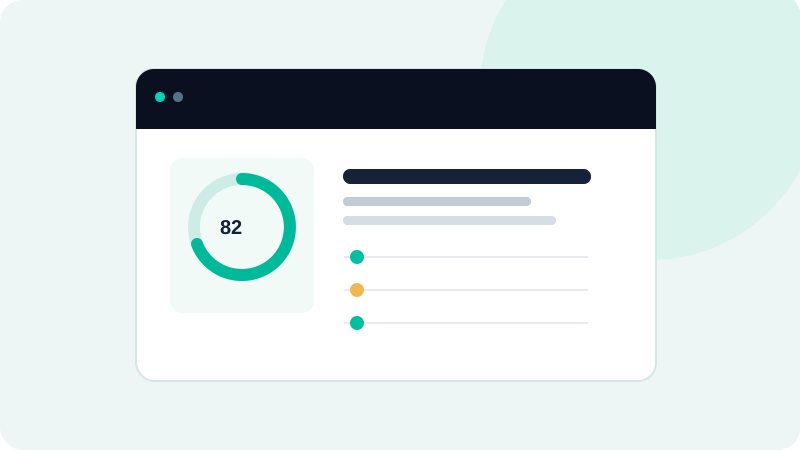
- Treat scores as summaries of checks, never as ranking guarantees.
What to do next
A good audit ends with a manageable, ranked backlog. Seoptiz’s page audit can identify observable signals, but human review is needed for accuracy, intent, accessibility, and business context. Continue with the related Seoptiz tool and compare its stated limitations with your needs.