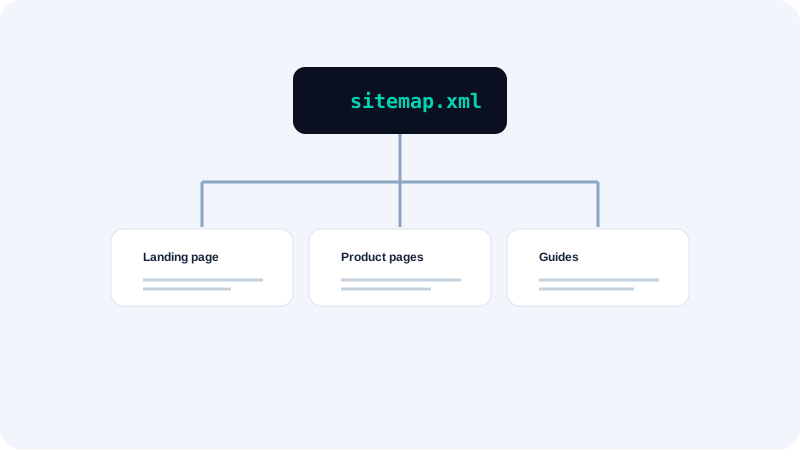
An XML sitemap is a machine-readable list of canonical URLs that a site owner wants crawlers to discover. It can help large, new, or deeply structured sites communicate which pages are available, but it does not guarantee crawling or indexing. A sitemap is useful only when it is current and consistent with the site’s actual status, canonical, and robots signals. Treat validation as both a syntax check and a content review.
Select URLs deliberately
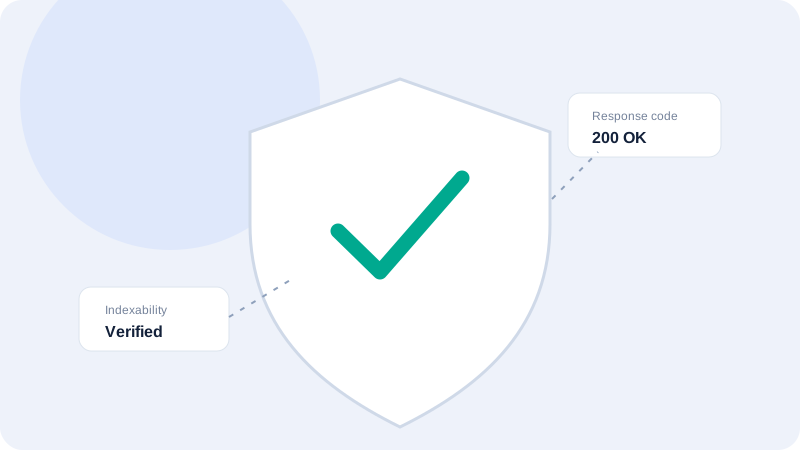
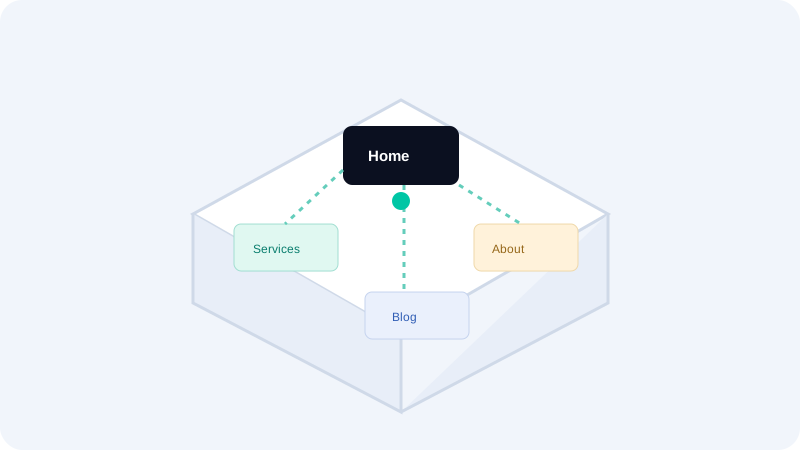
Include stable, canonical, indexable pages that return successful responses. Exclude URLs blocked from indexing, redirected to another destination, or generated only for internal filtering. Avoid adding every parameter combination. If a page is a duplicate, choose the preferred canonical version rather than listing all copies. For large sites, split the URL set into appropriately sized files and reference them in a sitemap index.
Generate valid XML
XML requires correct escaping for characters such as ampersands and angle brackets, a proper namespace, and a well-formed document structure. Use fully qualified absolute URLs with the correct scheme and hostname. Optional date fields should reflect meaningful updates and use valid date formats. Do not invent last-modified timestamps simply to suggest freshness. A file can parse as XML while still containing invalid or conflicting URLs.
Compare sitemap entries with live pages
Fetch a sample of listed URLs and verify status, canonical target, robots directives, and content availability. Compare the sitemap against internal links and the published page inventory to find accidental omissions or stale entries. Automated generation should update after publishing, deletion, slug changes, or indexability changes. Keep a regular consistency check because a valid file can become outdated as content evolves.
Publish and observe responsibly
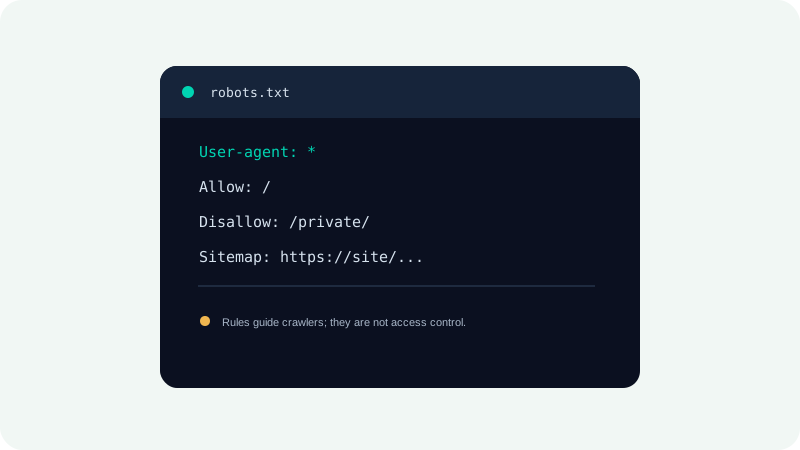
Place the sitemap at a stable location and reference it from robots.txt. Submit it through search-console tools only after verifying site ownership and understanding the platform’s current process. Submission is a discovery aid, not a request that guarantees inclusion. Watch for reported fetch or parse errors and investigate representative examples. Keep private, user-specific, or administrative routes out of the public sitemap.
Keep indexing controls separate
A sitemap says which URLs you prefer crawlers to discover; it does not override noindex directives, canonicalization, access controls, or search-engine decisions. Use authentication to protect private pages. Use explicit indexing metadata for public pages that should not appear in search. Ensure changes to a page’s publication state update the generated sitemap and its canonical metadata together.
Quick checklist
- List canonical URLs that return the intended status.
- Escape XML and validate the generated file.
- Exclude private, redirected, and noindex pages.
- Update sitemap entries when pages are published or removed.
- Do not promise indexing from submission alone.
What to do next
A sitemap supports discovery when its URLs are accurate, canonical, and current. Validate the file and the pages it represents as a single publishing workflow. Keep publication and indexing decisions aligned with the site’s content owners. During a redesign, compare the old and new URL inventory, retain redirects for changed slugs, and remove URLs that no longer represent a live page. After each release, sample the generated XML and confirm it can be fetched from the public origin without a login, HTML error page, or stale cache response. Continue with the related Seoptiz tool and compare its stated limitations with your needs.